

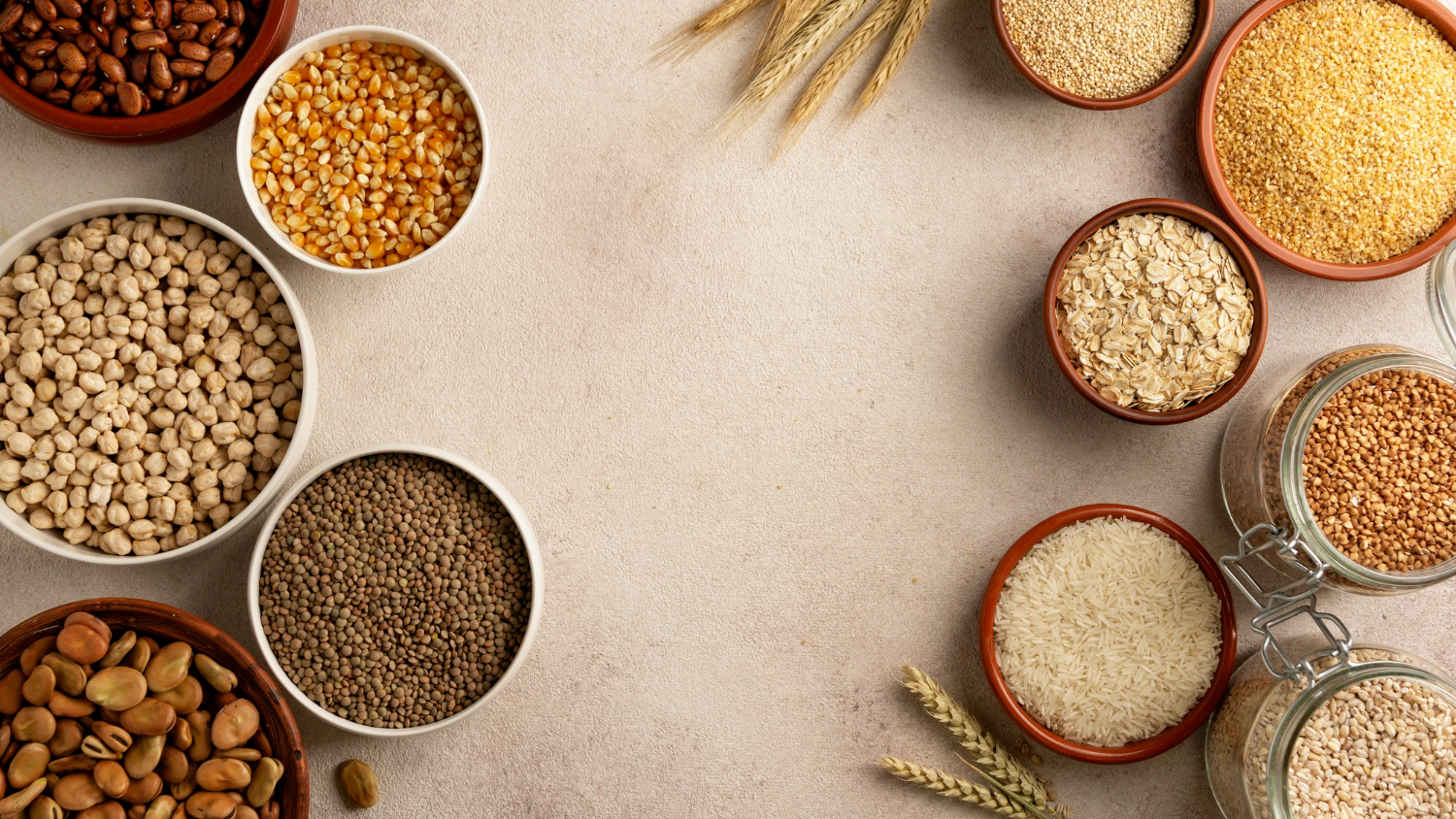
In most Indian households, meals are built around simple, familiar staples—dal, rice, roti, and grains. These everyday essentials form the foundation of our nutrition. But while we pay attention to recipes and taste, one important factor is often overlooked: the quality of ingredients we use daily.
Over the past few years, more people have started questioning what goes into their food. This shift has brought attention to organic pulses and healthy grains in India, and for good reason.
Switching to organic isn’t about following a trend. It’s about making a conscious choice for better health, better nutrition, and long-term well-being.
Organic pulses and grains are grown without the use of:
Instead, they are cultivated using natural farming practices that protect both the soil and the nutritional integrity of the food.
This means what reaches your plate is closer to its original, natural form—cleaner, safer, and more wholesome.
Unlike occasional snacks or packaged foods, pulses and grains are consumed every single day.
Because of this frequency, even small improvements in quality can have a significant long-term impact on your health.
Choosing organic isn’t a one-time decision—it’s a daily investment.
Let’s explore why switching to organic pulses and grains is a smarter, healthier choice.
One of the biggest advantages of organic food is what it doesn’t contain.
Conventional farming often involves chemical fertilizers and pesticides that may leave residues on food. Over time, consuming such food regularly can affect overall health.
Organic pulses and grains eliminate this concern.
Just clean, natural nutrition you can trust.
Organic farming focuses on maintaining soil health, which directly impacts the quality of crops.
As a result, organic pulses and grains often retain:
This contributes to:
When your staples are nutrient-rich, your entire diet improves naturally.
If you’ve ever compared organic grains with regular ones, the difference is noticeable.
Organic products tend to have:
This is because they are not artificially enhanced or over-processed.
Food tastes better when it’s closer to its natural state.
The benefits of organic food are not just immediate—they build over time.
By reducing exposure to chemicals and consuming cleaner food daily, you support:
It’s not about quick results—it’s about consistent improvement.
Switching to organic pulses and grains naturally leads to better food habits.
You become more aware of:
This awareness often extends to other areas of your diet, creating a healthier overall lifestyle.
Organic farming practices are not only good for your health—they’re also better for the environment.
They help:
Choosing organic is not just a personal decision—it’s a responsible one.
Despite its benefits, many people hesitate to switch due to common misconceptions.
While organic products may seem premium, many brands are now working towards making affordable organic food accessible for everyday use.
The goal is not luxury—it’s sustainability and daily consumption.
The difference may not always be visible instantly, but over time, it reflects in:
Consistency is key.
In reality, switching is simple.
Start with basics:
Small changes, when done consistently, create meaningful results.
You don’t need to overhaul your entire kitchen overnight.
Focus on items you consume daily—dal, rice, and grains.
Look for brands that are transparent about sourcing and processing.
The closer the product is to its natural form, the better.
Even within organic products, quality can vary.
This is where sourcing becomes critical.
Products sourced from reliable farms and handled with care are more likely to:
Choosing the right brand ensures you get the full benefit of organic food.
At NUTZEST FOODS, the focus is on making clean, natural food part of everyday life.
Our pulses and grains are:
We believe that healthy eating should not be complicated or expensive—it should be simple, accessible, and consistent.
Because when your daily staples are clean, your entire diet improves.
Switching to organic pulses and grains is not about changing what you eat—it’s about improving how you eat.
And since these are the foods you consume every day, the impact is significant.
Start small. Stay consistent. Choose better.
Because the quality of your daily staples shapes your long-term health—and that’s a choice worth making.

WhatsApp us