

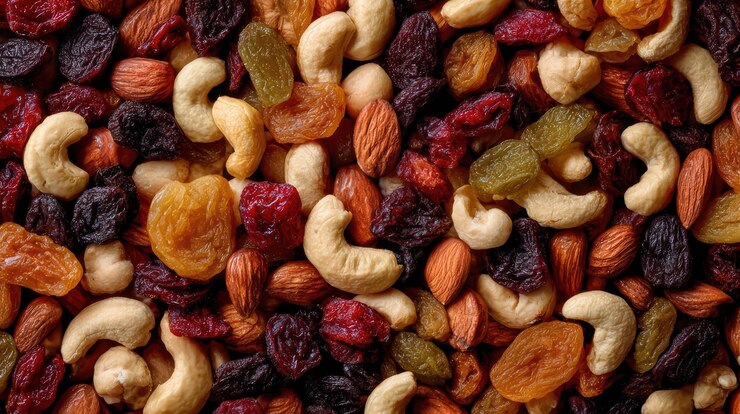
Dry fruits are often seen as one of the healthiest additions to a daily diet. Rich in nutrients, easy to consume, and incredibly versatile—they’ve become a staple in many households.
But here’s something most people overlook: not all dry fruits are created equal.
The market is filled with products that look appealing on the outside but fall short in quality, freshness, or purity. Artificial polishing, chemical treatments, and improper storage can significantly reduce both the nutritional value and safety of what you consume.
So the real question is—how do you identify pure and high-quality dry fruits before you buy them?
Let’s break it down in a simple, practical way.
Before diving into identification, it’s important to understand why choosing the best quality dry fruits matters.
High-quality dry fruits offer:
On the other hand, low-quality or chemically treated dry fruits may:
When you’re consuming something regularly for health, quality isn’t optional—it’s essential.
To identify the best, you need to know what to avoid.
Here are some common problems found in poor-quality dry fruits:
Some dry fruits are polished using oil or chemicals to make them look more attractive.
Bright or overly uniform colors often indicate chemical processing or artificial treatment.
Improper storage can cause dry fruits to lose freshness and develop an unpleasant odor.
Too much moisture leads to spoilage, while overly dry products may indicate old stock.
Now let’s get into what really matters—how to check pure dry fruits using simple methods.
Good quality dry fruits have a natural, uneven look.
If something looks too perfect, it’s worth questioning.
Fresh dry fruits have a mild, natural aroma.
Always trust your sense of smell—it’s one of the easiest ways to detect quality.
Texture can tell you a lot about freshness.
Some dry fruits are treated with chemicals to improve appearance or shelf life.
Signs to watch for:
Natural products always have slight variations—and that’s a good sign.
Packaging plays a crucial role in maintaining quality.
Look for:
Avoid loose products stored in open containers, as they are more exposed to dust, moisture, and contamination.
Different dry fruits have different quality indicators. Here’s a quick guide:
Even if a product looks good, its origin plays a major role in quality.
Dry fruits sourced from trusted farms and reliable suppliers are more likely to be:
This is why choosing the right brand becomes just as important as checking the product itself.
Consumers today are becoming more aware of what goes into their food.
There’s a growing demand for:
This shift is not just about preference—it’s about making informed, healthier choices.
At NUTZEST FOODS, quality isn’t just a claim—it’s a process.
Every product is carefully selected based on:
There are no artificial enhancements, no unnecessary additives—just dry fruits in their pure, natural form.
Because when it comes to food, what you don’t add is just as important as what you do.
To make things easier, here’s a quick checklist before buying dry fruits:
These small steps can make a big difference in what you bring home.
Choosing high-quality dry fruits isn’t complicated—it just requires a bit of awareness.
When you know what to look for, you avoid common mistakes and make better decisions for your health.
Because at the end of the day, dry fruits are not just snacks.
They’re part of your daily nutrition.
And when you choose pure, high-quality products, you’re not just buying food—you’re investing in better health, one handful at a time.

WhatsApp us