Blog

Day: April 2, 2026

post
The Benefits of Switching to Organic Pulses and Grains in Your Daily Diet

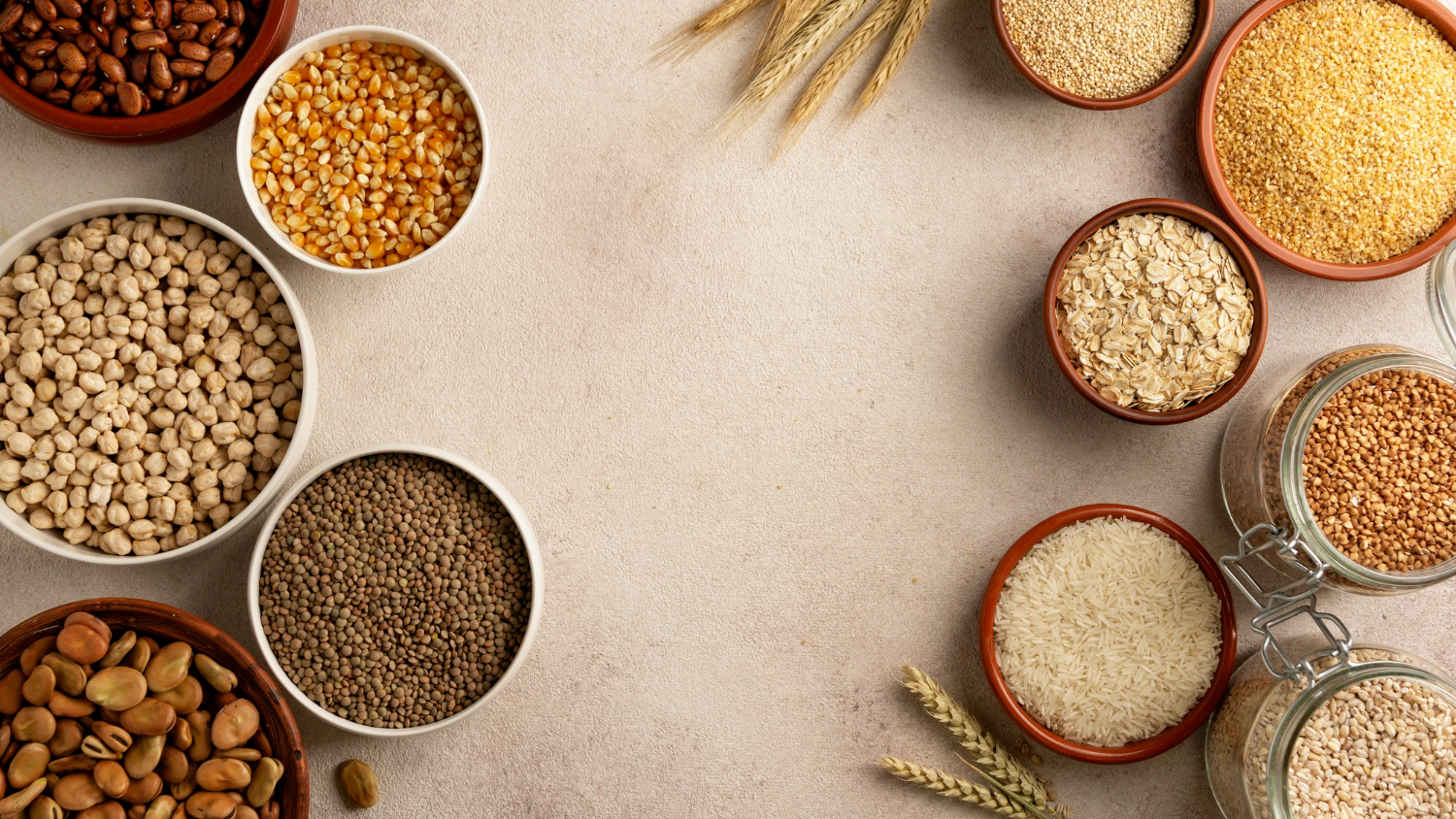
In most Indian households, meals are built around simple, familiar staples—dal, rice, roti, and grains. These everyday essentials form the foundation of our nutrition. But while we pay attention to recipes and taste, one important factor is often overlooked: the quality of ingredients we use daily. Over the past few years, more people have started questioning what goes into their food. This shift has brought attention to organic pulses and healthy grains in India, and for good reason. Switching to organic isn’t about following a trend. It’s about making a conscious choice for better health, better nutrition, and long-term well-being. What Are Organic Pulses and Grains? Organic pulses and grains are grown without the use of: Instead, they are cultivated using natural farming practices that protect both the soil and the nutritional integrity of the food. This means what reaches your plate is closer to its original, natural form—cleaner, safer, and more wholesome. Why Your Daily Staples Matter More Than You Think Unlike occasional snacks or packaged foods, pulses and grains are consumed every single day. Because of this frequency, even small improvements in quality can have a significant long-term impact on your health. Choosing organic isn’t a one-time decision—it’s a daily investment. Key Benefits of Organic Pulses and Grains Let’s explore why switching to organic pulses and grains is a smarter, healthier choice. ???? 1. Free from Harmful Chemicals One of the biggest advantages of organic food is what it doesn’t contain. Conventional farming often involves chemical fertilizers and pesticides that may leave residues on food. Over time, consuming such food regularly can affect overall health. Organic pulses and grains eliminate this concern. Just clean, natural nutrition you can trust. ???? 2. Better Nutritional Value Organic farming focuses on maintaining soil health, which directly impacts the quality of crops. As a result, organic pulses and grains often retain: This contributes to: When your staples are nutrient-rich, your entire diet improves naturally. ???? 3. Natural Taste and Authentic Quality If you’ve ever compared organic grains with regular ones, the difference is noticeable. Organic products tend to have: This is because they are not artificially enhanced or over-processed. Food tastes better when it’s closer to its natural state. ????️ 4. Supports Long-Term Health The benefits of organic food are not just immediate—they build over time. By reducing exposure to chemicals and consuming cleaner food daily, you support: It’s not about quick results—it’s about consistent improvement. ⚡ 5. Encourages Clean and Conscious Eating Switching to organic pulses and grains naturally leads to better food habits. You become more aware of: This awareness often extends to other areas of your diet, creating a healthier overall lifestyle. ???? 6. Environmentally Responsible Choice Organic farming practices are not only good for your health—they’re also better for the environment. They help: Choosing organic is not just a personal decision—it’s a responsible one. Common Myths About Organic Food Despite its benefits, many people hesitate to switch due to common misconceptions. Myth 1: Organic Food is Always Expensive While organic products may seem premium, many brands are now working towards making affordable organic food accessible for everyday use. The goal is not luxury—it’s sustainability and daily consumption. Myth 2: There’s No Real Difference The difference may not always be visible instantly, but over time, it reflects in: Consistency is key. Myth 3: It’s Hard to Switch In reality, switching is simple. Start with basics: Small changes, when done consistently, create meaningful results. How to Start Your Transition You don’t need to overhaul your entire kitchen overnight. Start with Everyday Essentials Focus on items you consume daily—dal, rice, and grains. Choose Trusted Brands Look for brands that are transparent about sourcing and processing. Check for Minimal Processing The closer the product is to its natural form, the better. The Role of Quality and Sourcing Even within organic products, quality can vary. This is where sourcing becomes critical. Products sourced from reliable farms and handled with care are more likely to: Choosing the right brand ensures you get the full benefit of organic food. Where Nutzest Fits In At NUTZEST FOODS, the focus is on making clean, natural food part of everyday life. Our pulses and grains are: We believe that healthy eating should not be complicated or expensive—it should be simple, accessible, and consistent. Because when your daily staples are clean, your entire diet improves. Final Thoughts Switching to organic pulses and grains is not about changing what you eat—it’s about improving how you eat. And since these are the foods you consume every day, the impact is significant. Start small. Stay consistent. Choose better. Because the quality of your daily staples shapes your long-term health—and that’s a choice worth making.

post
How to Identify Pure and High-Quality Dry Fruits Before You Buy

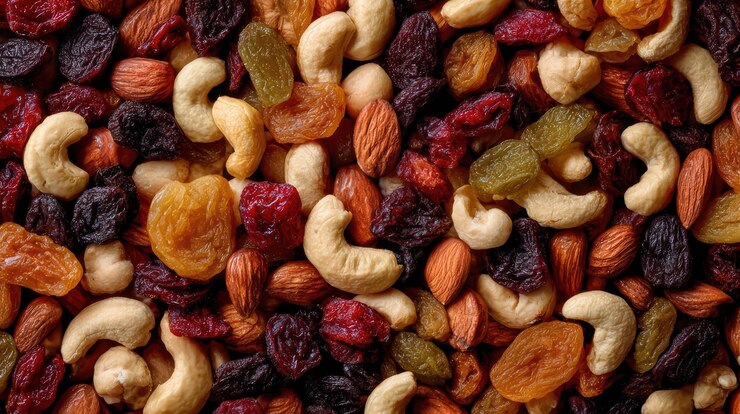
Dry fruits are often seen as one of the healthiest additions to a daily diet. Rich in nutrients, easy to consume, and incredibly versatile—they’ve become a staple in many households. But here’s something most people overlook: not all dry fruits are created equal. The market is filled with products that look appealing on the outside but fall short in quality, freshness, or purity. Artificial polishing, chemical treatments, and improper storage can significantly reduce both the nutritional value and safety of what you consume. So the real question is—how do you identify pure and high-quality dry fruits before you buy them? Let’s break it down in a simple, practical way. Why Quality Matters in Dry Fruits Before diving into identification, it’s important to understand why choosing the best quality dry fruits matters. High-quality dry fruits offer: On the other hand, low-quality or chemically treated dry fruits may: When you’re consuming something regularly for health, quality isn’t optional—it’s essential. Common Issues in Low-Quality Dry Fruits To identify the best, you need to know what to avoid. Here are some common problems found in poor-quality dry fruits: 1. Artificial Shine Some dry fruits are polished using oil or chemicals to make them look more attractive. 2. Unnatural Color Bright or overly uniform colors often indicate chemical processing or artificial treatment. 3. Stale or Rancid Smell Improper storage can cause dry fruits to lose freshness and develop an unpleasant odor. 4. Excessive Moisture or Dryness Too much moisture leads to spoilage, while overly dry products may indicate old stock. How to Check Pure Dry Fruits Before Buying Now let’s get into what really matters—how to check pure dry fruits using simple methods. ???? 1. Check the Appearance Carefully Good quality dry fruits have a natural, uneven look. If something looks too perfect, it’s worth questioning. ???? 2. Pay Attention to the Smell Fresh dry fruits have a mild, natural aroma. Always trust your sense of smell—it’s one of the easiest ways to detect quality. ✋ 3. Feel the Texture Texture can tell you a lot about freshness. ???? 4. Avoid Chemically Treated Products Some dry fruits are treated with chemicals to improve appearance or shelf life. Signs to watch for: Natural products always have slight variations—and that’s a good sign. ???? 5. Check Packaging and Storage Packaging plays a crucial role in maintaining quality. Look for: Avoid loose products stored in open containers, as they are more exposed to dust, moisture, and contamination. Types of Dry Fruits and What to Look For Different dry fruits have different quality indicators. Here’s a quick guide: Almonds (Badam) Cashews (Kaju) Raisins (Kishmish) Walnuts (Akhrot) Why Sourcing Matters More Than You Think Even if a product looks good, its origin plays a major role in quality. Dry fruits sourced from trusted farms and reliable suppliers are more likely to be: This is why choosing the right brand becomes just as important as checking the product itself. The Shift Towards Clean and Natural Food Consumers today are becoming more aware of what goes into their food. There’s a growing demand for: This shift is not just about preference—it’s about making informed, healthier choices. How Nutzest Ensures Quality Dry Fruits At NUTZEST FOODS, quality isn’t just a claim—it’s a process. Every product is carefully selected based on: There are no artificial enhancements, no unnecessary additives—just dry fruits in their pure, natural form. Because when it comes to food, what you don’t add is just as important as what you do. Simple Tips for Buyers To make things easier, here’s a quick checklist before buying dry fruits: These small steps can make a big difference in what you bring home. Final Thoughts Choosing high-quality dry fruits isn’t complicated—it just requires a bit of awareness. When you know what to look for, you avoid common mistakes and make better decisions for your health. Because at the end of the day, dry fruits are not just snacks.They’re part of your daily nutrition. And when you choose pure, high-quality products, you’re not just buying food—you’re investing in better health, one handful at a time.

post
Why Preservative-Free Food is the Healthier Choice for Your Family

In today’s fast-moving world, convenience often comes at a cost—especially when it comes to food. Packaged products promise longer shelf life, better taste, and easy storage. But behind that convenience lies a growing concern: preservatives and artificial additives. More families are now becoming conscious of what they consume daily. Labels are being read more carefully. Ingredients are being questioned. And one shift is becoming clear—the move towards preservative-free food. But what does preservative-free really mean? And why is it a healthier choice for your family? Let’s break it down. What is Preservative-Free Food? Preservative-free food refers to products that are made without artificial chemicals or additives used to extend shelf life. Instead of relying on synthetic preservatives, these foods are: In simple terms, it’s food that stays closer to its natural state—just the way it should be. The Hidden Impact of Preservatives in Everyday Food Preservatives are commonly used in packaged foods to prevent spoilage, improve appearance, and extend usability. While they serve a functional purpose, long-term consumption raises important concerns. 1. Chemical Load on the Body Regular intake of chemically preserved food can gradually increase the body’s exposure to artificial substances. Over time, this may: The issue isn’t one meal—it’s the daily accumulation. 2. Reduced Nutritional Value Highly processed foods often lose essential nutrients during manufacturing. Even though they may look appealing or taste enhanced, they may lack: Preservative-free food, on the other hand, retains much of its original nutritional profile. 3. Long-Term Health Concerns While not all preservatives are harmful in small amounts, excessive consumption has been linked to: For families, especially children, choosing cleaner alternatives becomes even more important. Why Preservative-Free Food is a Better Choice Switching to preservative-free food isn’t about following a trend—it’s about making a practical, long-term investment in your health. ???? 1. Supports Clean and Healthy Eating Preservative-free food aligns with the principles of clean eating—consuming food that is natural, minimally processed, and free from unnecessary additives. This means: ????️ 2. Safer for the Entire Family When you remove artificial chemicals from your food, you create a safer environment for everyone at home. ???? 3. Retains Natural Taste and Quality Real food doesn’t need enhancement. Preservative-free products often: Because what you’re consuming is closer to its original form. ???? 4. Rich in Natural Nutrients When food is minimally processed, it retains essential nutrients that your body needs daily. From pulses and grains to dry fruits and spices, preservative-free products help provide: This supports overall health without relying on artificial supplementation. ⚡ 5. Encourages Better Food Habits Choosing preservative-free food naturally leads to: It’s not just a dietary change—it’s a lifestyle shift. Common Myths About Preservative-Free Food Despite growing awareness, there are still misconceptions that prevent people from making the switch. Myth 1: “Preservative-Free Food Doesn’t Last Long” While it’s true that preservative-free food has a shorter shelf life compared to chemically treated products, proper storage can maintain freshness effectively. Using airtight containers and keeping products in a cool, dry place can significantly extend usability. Myth 2: “It’s Expensive” Many people assume that clean, chemical-free food comes at a premium price. But today, brands are working towards making affordable organic and preservative-free food accessible for daily use—not just occasional purchases. Myth 3: “There’s No Visible Difference” The difference may not always be immediate, but over time, it becomes noticeable in: How to Identify Preservative-Free Food Making the right choice starts with knowing what to look for. Check the Label Avoid products with long, complex ingredient lists filled with unfamiliar chemical names. Look for Transparency Brands that clearly communicate sourcing, processing, and ingredients are more trustworthy. Choose Minimal Processing The closer the product is to its natural state, the better its quality. The Role of Everyday Essentials Preservative-free living doesn’t require drastic changes. Start with everyday staples like: These are consumed regularly, making them the most impactful place to begin. Where Nutzest Fits In At NUTZEST FOODS, the focus is simple—clean, honest, and natural food you can trust every day. Every product is: The goal is not to complicate your lifestyle—but to make healthy eating easier, accessible, and consistent. Because when food is clean, everything else follows. Final Thoughts Preservative-free food is not just about avoiding chemicals—it’s about choosing better quality, better nutrition, and better habits for your family. In a world where convenience often compromises health, making conscious choices becomes essential. Start small. Stay consistent. Choose food that supports your well-being—not just your schedule. Because the food you bring home today shapes the health of your family tomorrow.