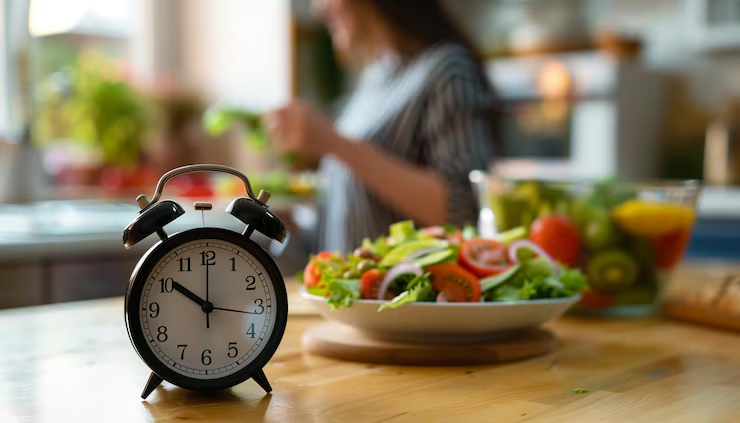


In today’s fast-moving world, convenience often comes at a cost—especially when it comes to food. Packaged products promise longer shelf life, better taste, and easy storage. But behind that convenience lies a growing concern: preservatives and artificial additives.
More families are now becoming conscious of what they consume daily. Labels are being read more carefully. Ingredients are being questioned. And one shift is becoming clear—the move towards preservative-free food.
But what does preservative-free really mean? And why is it a healthier choice for your family?
Let’s break it down.
Preservative-free food refers to products that are made without artificial chemicals or additives used to extend shelf life.
Instead of relying on synthetic preservatives, these foods are:
In simple terms, it’s food that stays closer to its natural state—just the way it should be.
Preservatives are commonly used in packaged foods to prevent spoilage, improve appearance, and extend usability. While they serve a functional purpose, long-term consumption raises important concerns.
Regular intake of chemically preserved food can gradually increase the body’s exposure to artificial substances. Over time, this may:
The issue isn’t one meal—it’s the daily accumulation.
Highly processed foods often lose essential nutrients during manufacturing.
Even though they may look appealing or taste enhanced, they may lack:
Preservative-free food, on the other hand, retains much of its original nutritional profile.
While not all preservatives are harmful in small amounts, excessive consumption has been linked to:
For families, especially children, choosing cleaner alternatives becomes even more important.
Switching to preservative-free food isn’t about following a trend—it’s about making a practical, long-term investment in your health.
Preservative-free food aligns with the principles of clean eating—consuming food that is natural, minimally processed, and free from unnecessary additives.
This means:
When you remove artificial chemicals from your food, you create a safer environment for everyone at home.
Real food doesn’t need enhancement.
Preservative-free products often:
Because what you’re consuming is closer to its original form.
When food is minimally processed, it retains essential nutrients that your body needs daily.
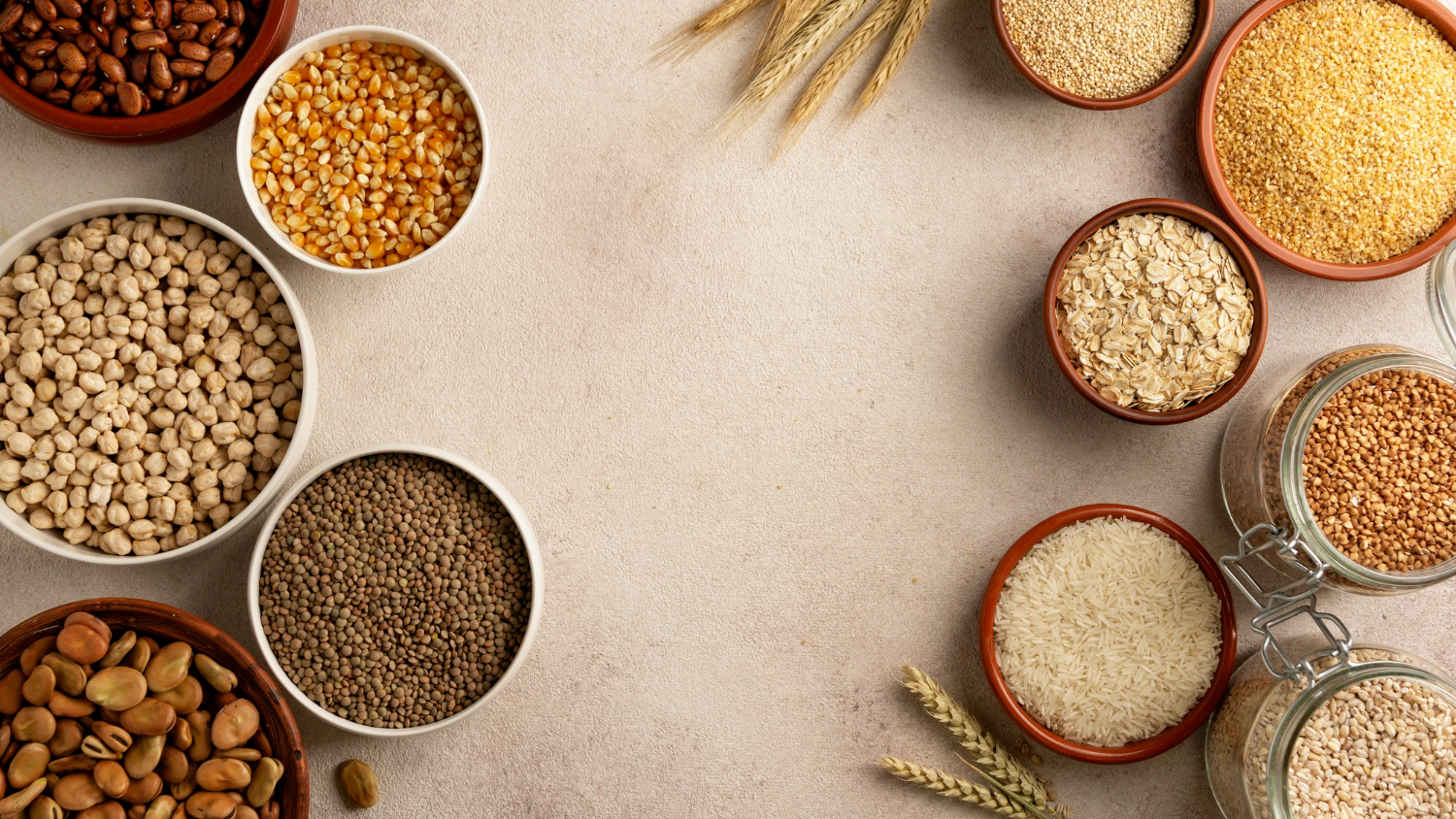
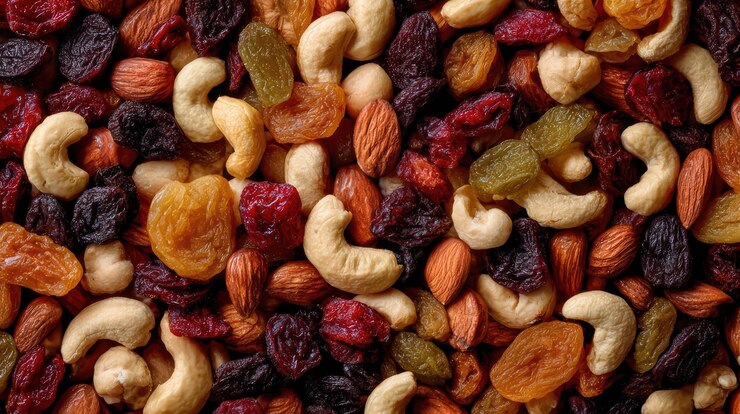
From pulses and grains to dry fruits and spices, preservative-free products help provide:
This supports overall health without relying on artificial supplementation.
Choosing preservative-free food naturally leads to:
It’s not just a dietary change—it’s a lifestyle shift.
Despite growing awareness, there are still misconceptions that prevent people from making the switch.
While it’s true that preservative-free food has a shorter shelf life compared to chemically treated products, proper storage can maintain freshness effectively.
Using airtight containers and keeping products in a cool, dry place can significantly extend usability.
Many people assume that clean, chemical-free food comes at a premium price.
But today, brands are working towards making affordable organic and preservative-free food accessible for daily use—not just occasional purchases.
The difference may not always be immediate, but over time, it becomes noticeable in:
Making the right choice starts with knowing what to look for.
Avoid products with long, complex ingredient lists filled with unfamiliar chemical names.
Brands that clearly communicate sourcing, processing, and ingredients are more trustworthy.
The closer the product is to its natural state, the better its quality.
Preservative-free living doesn’t require drastic changes.
Start with everyday staples like:
These are consumed regularly, making them the most impactful place to begin.
At NUTZEST FOODS, the focus is simple—clean, honest, and natural food you can trust every day.
Every product is:
The goal is not to complicate your lifestyle—but to make healthy eating easier, accessible, and consistent.
Because when food is clean, everything else follows.
Preservative-free food is not just about avoiding chemicals—it’s about choosing better quality, better nutrition, and better habits for your family.
In a world where convenience often compromises health, making conscious choices becomes essential.
Start small. Stay consistent. Choose food that supports your well-being—not just your schedule.
Because the food you bring home today shapes the health of your family tomorrow.
WhatsApp us