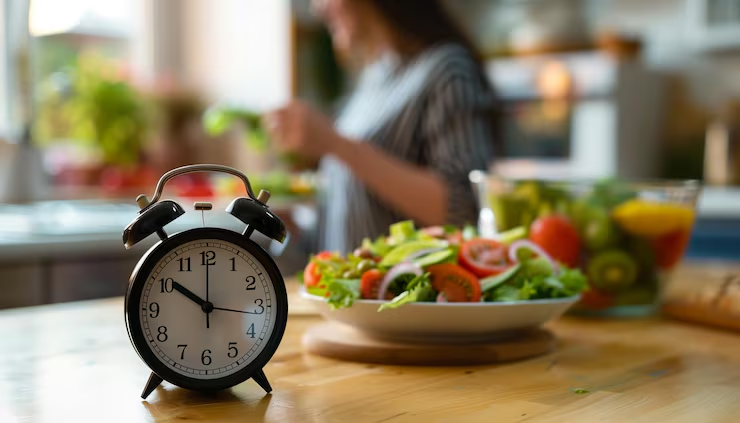

Clean eating has become one of the most talked-about lifestyle choices in recent years. But for many people, it still feels confusing, restrictive, or time-consuming.
Do you need to follow strict diets? Avoid everything packaged? Completely change your routine?
Not really.
The truth is, clean eating is not about perfection—it’s about making better, more conscious choices every day. And when done right, it fits seamlessly into your existing lifestyle.
If you’re looking to build a healthier daily diet without overcomplicating things, this guide will help you get started.
At its core, clean eating means choosing food that is:
It’s not about eliminating entire food groups or following extreme rules. It’s about understanding what you eat and making smarter choices consistently.
In the Indian context, clean eating doesn’t require changing your cuisine—it simply means improving the quality of ingredients you already use.
Your daily diet directly impacts your:
With increasing exposure to processed and chemical-laden food, many people experience:
Clean eating helps restore balance by focusing on real, wholesome food.
Before diving into tips, it’s important to understand what a healthy daily diet looks like.
A balanced diet should include:
These are already part of most Indian meals. The key is to ensure they are clean, high-quality, and minimally processed.
You don’t need a complete lifestyle overhaul. Small, consistent changes can make a big difference.
The simplest way to begin clean eating in India is by upgrading your everyday essentials.
Focus on:
Since these are consumed daily, improving their quality has a significant impact.
Choose products that are:
One of the easiest healthy diet tips is to develop the habit of reading labels.
Look for:
If a product has too many unfamiliar ingredients, it’s worth reconsidering.
Clean eating doesn’t require complicated recipes.
In fact, simpler meals are often healthier.
When ingredients are clean and high-quality, you don’t need to overcomplicate your meals.
Busy schedules often lead to unhealthy food choices.
Planning your meals—even loosely—helps you:
Keep your kitchen stocked with clean essentials so you always have better options available.
Snacking is where most diets go off track.
Instead of processed snacks, switch to:
These provide energy without unnecessary additives.
Clean eating is not about cutting out everything you enjoy.
It’s about balance.
This approach is more sustainable in the long run.
Even with the right intentions, some common mistakes can slow your progress.
Trying to follow strict diets or complex routines often leads to inconsistency.
Even simple meals can be unhealthy if the ingredients are low quality or heavily processed.
Clean eating is a long-term approach. The benefits build gradually over time.
Clean eating is not just about what you cook—it’s about what you cook with.
High-quality ingredients:
Low-quality ingredients, even in home-cooked meals, can reduce the overall health value of your diet.
This is why sourcing matters.
In today’s fast-paced world, convenience is essential.
But convenience doesn’t have to mean compromise.
The key is choosing products that are:
This allows you to maintain a clean diet without spending excessive time in the kitchen.
At NUTZEST FOODS, the goal is to make clean eating simple and accessible.
Our products are designed to fit seamlessly into your daily routine:
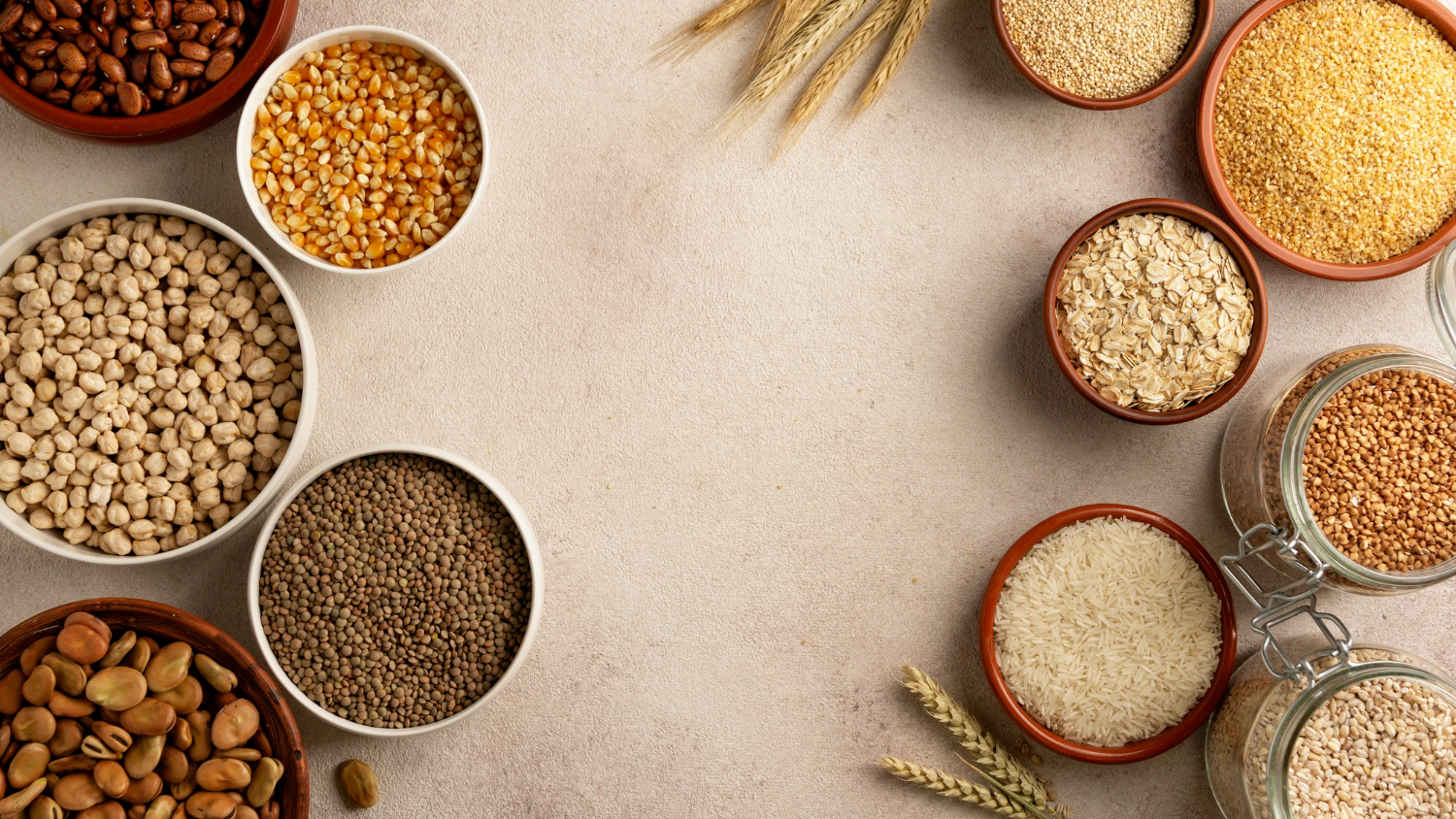
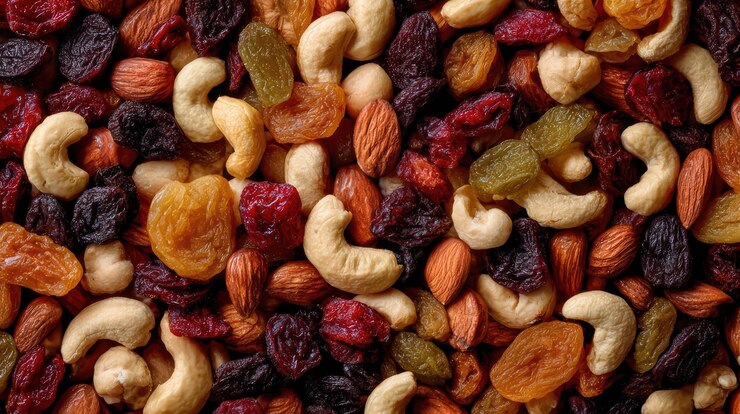
From pulses and grains to dry fruits and spices, every product is built around one principle—clean, honest food for everyday living.
Because healthy eating shouldn’t feel like extra effort.
Clean eating doesn’t require drastic changes. It starts with small, practical steps.
Over time, these choices create a meaningful difference in how you feel and function.
In a world full of processed options, going back to basics is often the smartest move.
Because when your food is clean, your lifestyle naturally follows.
And that’s where real, lasting health begins.

WhatsApp us